

Since 1973, OLACDE has served as a hub for coordination and technical advisory services for 27 countries across Latin America and the Caribbean. Our work focuses on transforming the regional energy landscape through four fundamental pillars:
Bringing together political efforts to build a strong regional market.
Promoting the responsible and sustainable use of resources.
Protecting the energy interests of our member countries.
Promoting energy efficiency and energy security.

The Latin American and Caribbean Energy Organization (OLACDE) was established on November 2, 1973, with the signing of the Lima Agreement. Its creation was a strategic response by the countries of the region to join forces in addressing the global challenges of the time, seeking to safeguard their energy resources and promote fairer and more equitable economic development.
Originally ratified by 27 countries, this intergovernmental initiative became the region’s leading platform for cooperation and integration. Today, under the OLACDE identity, the organization reaffirms the participation of the Caribbean while maintaining its mission to promote energy integration and the transition toward a sustainable future.
We support the countries of the region in their energy-related decision-making, promoting cooperation, knowledge exchange, and capacity building to advance toward more sustainable, secure, and integrated energy systems.
We envision a connected, resilient region that is prepared to address the energy challenges of today and the future.
Andrés Rebolledo Smitmans was re-elected as Executive Secretary of the Latin American and Caribbean Energy Organization (OLACDE) for the 2026–2029 term during the LV Meeting of Ministers and Ministers of Energy of OLACDE, held in Chile in October 2025, in accordance with the provisions of the Lima Agreement.
His re-election reflects the support of the member countries for the work carried out between 2023 and 2025, a period during which OLACDE consolidated its position as a regional technical and political leader in energy integration, the transition toward clean energy, international cooperation, and capacity building.
With more than 30 years of professional experience, Andrés Rebolledo has held senior technical and political positions in the energy sector, international economic relations, and multilateral organisations. He holds a degree in Economics from the University of Chile.
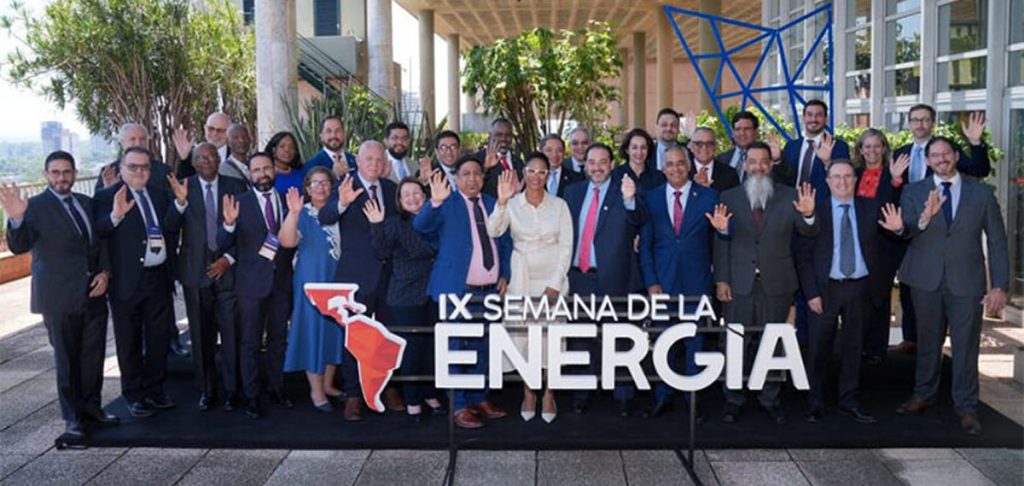
The Meeting of Ministers is the highest authority within OLACDE’s governance structure. It brings together the Ministers of Energy, Secretaries of State, or equivalent authorities from each Member Country to define the key guidelines for regional energy policy.
From this governing body, work plans, budgets, management reports, and financial statements are approved, and the Ministerial Decisions that guide the Organization’s actions are adopted. It is here that the regional political consensus is built, enabling progress in energy integration, cooperation, and the energy transition.
The Board of Experts is OLACDE’s technical advisory body. Its main role is to provide specialised support to both the Meeting of Ministers and the Permanent Secretariat, ensuring that political decisions are backed by sound technical analysis.
It serves as the preparatory committee for the Meeting of Ministers and is responsible for conducting studies, analyses, and technical activities commissioned by the Organization’s highest governing body. It ensures that regional decisions are based on evidence, technical expertise, and the real needs of the countries.
The Permanent Secretariat is OLACDE’s executive body. It is responsible for implementing the mandates and guidelines established by the Meeting of Ministers, with technical support from the Board of Experts.
The Secretariat coordinates projects, initiatives, international cooperation, and technical activities, ensuring institutional continuity and consistency in regional action. It translates regional agreements into programmes, projects, and tangible results for the countries.
The OLACDE Business Council is a high-level business policy forum that brings together ministers, senior executives from leading energy companies, and academic stakeholders to align strategic energy priorities across Latin America and the Caribbean.
It serves as the region’s leading mechanism for public-private dialogue on energy, coordinating policy and market signals. Its purpose is clear: to turn dialogue into concrete, collaborative, and impactful action.
The Council seeks to build consensus, promote regional initiatives, strengthen energy security, and accelerate a just energy transition, while also connecting the region with international forums to amplify its voice.
The Regional Energy Planning Council is a strategic mechanism and a platform for technical and institutional cooperation promoted by OLACDE. It was established following a Ministerial Decision adopted during the IX Energy Week in Paraguay and was designed to unify the energy vision of Latin America and the Caribbean through collective, participatory, and results-oriented planning.
Its main objective is to strengthen the coordination of energy policies across Latin America and the Caribbean by aligning regional strategies to address the sector’s current challenges, including investment, infrastructure, regulatory frameworks, and the advancement of renewable energy.
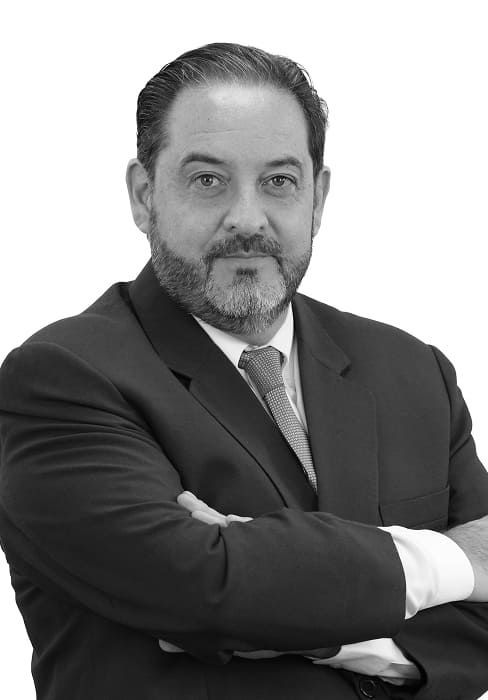
Andrés Rebolledo Smitmans was re-elected as Executive Secretary of the Latin American and Caribbean Energy Organization (OLACDE) for the 2026–2029 term during the LV Meeting of Ministers and Ministers of Energy of OLACDE, held in Chile in October 2025, in accordance with the provisions of the Lima Agreement.
His re-election reflects the support of the member countries for the work carried out between 2023 and 2025, a period during which OLACDE consolidated its position as a regional technical and political leader in energy integration, the transition toward clean energy, international cooperation, and capacity building.
With more than 30 years of professional experience, Andrés Rebolledo has held senior technical and political positions in the energy sector, international economic relations, and multilateral organisations. He holds a degree in Economics from the University of Chile.
He served as Chile’s Minister of Energy (2016–2018), leading a profound transformation of the Chilean energy sector through the large-scale incorporation of non-conventional renewable energy, promoting a cleaner, more competitive, and more efficient energy mix. During his tenure, regulatory frameworks for electric mobility were promoted and strategic foundations were laid for the development of green hydrogen, through a broadly participatory process involving public and private stakeholders.
He also held the positions of Chair of Chile’s National Petroleum Company (ENAP), Deputy Minister for International Economic Relations, Chile’s Ambassador to Uruguay, Representative to the Latin American Integration Association (ALADI), and consultant at the Inter-American Development Bank (IDB) and other international organizations.
In academia, he has taught in postgraduate programs at various Chilean universities and served as Dean of the Faculty of Administration and Business at Universidad SEK in Chile between 2020 and 2022.
During his current term, 2026–2029, his administration is focused on deepening regional energy integration, strengthening energy diplomacy, accelerating the adoption of clean technologies, promoting energy security and universal access to energy, and driving OLACDE’s institutional modernization, positioning Latin America and the Caribbean as a region capable of proposing energy solutions on the global stage.

Bachelor’s degree in Government and Public Administration and a Master’s in Political Science from the Universidad de Chile. With over 12 years of experience in Chile’s public sector. As Coordinator of the International Relations Office at the Ministry of Energy, she led negotiations and execution of cooperation agreements, managing relationships with multilateral banks and bilateral relations with key countries.
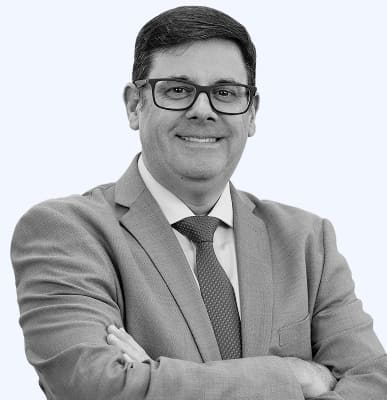
Bachelor’s Degree and Postgraduate Diploma in Political Science; Master’s in Advanced Project Management and Administration; Postgraduate Degree in Marketing Management. Diploma in International Geopolitics. Diploma in Regional Integration and Energy Diplomacy. 20-year career in Uruguay’s public sector, where he led the National Directorate of Energy and Chaired the Electricity Market Administration.

Bachelor’s degree in Government and Public Administration and a Master’s in Political Science from the Universidad de Chile. With over 12 years of experience in Chile’s public sector. As Coordinator of the International Relations Office at the Ministry of Energy, she led negotiations and execution of cooperation agreements, managing relationships with multilateral banks and bilateral relations with key countries.

Economist specializing in Finance from the Pontificia Universidad Católica del Ecuador, with a Master’s in Business Administration. She has solid expertise in financial management, administrative management, and project management.
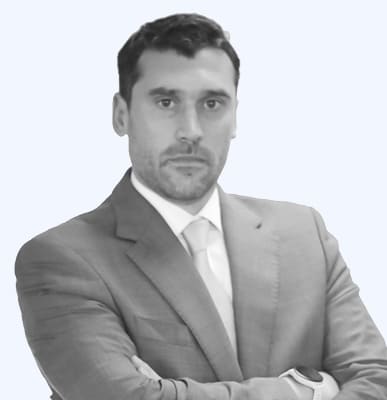
He has over 17 years of experience in mining and energy sector projects and development (renewable and extractive energy), working across multinational groups as well as in the public sector and multilateral organizations.
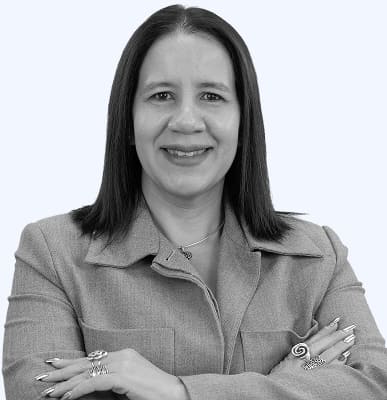
Attorney graduated from the University of Havana and Master’s in International Negotiations and Foreign Trade from the Institute of International Relations of the Central University of Ecuador. 12 years of experience in the energy sector.
Andrés Rebolledo Smitmans was re-elected as Executive Secretary of the Latin American and Caribbean Energy Organization (OLACDE) for the 2026–2029 term during the LV Meeting of Ministers and Ministers of Energy of OLACDE, held in Chile in October 2025, in accordance with the provisions of the Lima Agreement.
His re-election reflects the support of the member countries for the work carried out between 2023 and 2025, a period during which OLACDE consolidated its position as a regional technical and political leader in energy integration, the transition toward clean energy, international cooperation, and capacity building.
With more than 30 years of professional experience, Andrés Rebolledo has held senior technical and political positions in the energy sector, international economic relations, and multilateral organisations. He holds a degree in Economics from the University of Chile.
He served as Chile’s Minister of Energy (2016–2018), leading a profound transformation of the Chilean energy sector through the large-scale incorporation of non-conventional renewable energy, promoting a cleaner, more competitive, and more efficient energy mix. During his tenure, regulatory frameworks for electric mobility were promoted and strategic foundations were laid for the development of green hydrogen, through a broadly participatory process involving public and private stakeholders.
He also held the positions of Chair of Chile’s National Petroleum Company (ENAP), Deputy Minister for International Economic Relations, Chile’s Ambassador to Uruguay, Representative to the Latin American Integration Association (ALADI), and consultant at the Inter-American Development Bank (IDB) and other international organizations.
In academia, he has taught in postgraduate programs at various Chilean universities and served as Dean of the Faculty of Administration and Business at Universidad SEK in Chile between 2020 and 2022.
During his current term, 2026–2029, his administration is focused on deepening regional energy integration, strengthening energy diplomacy, accelerating the adoption of clean technologies, promoting energy security and universal access to energy, and driving OLACDE’s institutional modernization, positioning Latin America and the Caribbean as a region capable of proposing energy solutions on the global stage.
Bachelor’s degree in Government and Public Administration and a Master’s in Political Science from the Universidad de Chile. With over 12 years of experience in Chile’s public sector. As Coordinator of the International Relations Office at the Ministry of Energy, she led negotiations and execution of cooperation agreements, managing relationships with multilateral banks and bilateral relations with key countries.
Bachelor’s Degree and Postgraduate Diploma in Political Science; Master’s in Advanced Project Management and Administration; Postgraduate Degree in Marketing Management. Diploma in International Geopolitics. Diploma in Regional Integration and Energy Diplomacy. 20-year career in Uruguay’s public sector, where he led the National Directorate of Energy and Chaired the Electricity Market Administration.
Bachelor’s degree in Government and Public Administration and a Master’s in Political Science from the Universidad de Chile. With over 12 years of experience in Chile’s public sector. As Coordinator of the International Relations Office at the Ministry of Energy, she led negotiations and execution of cooperation agreements, managing relationships with multilateral banks and bilateral relations with key countries.
Economist specializing in Finance from the Pontificia Universidad Católica del Ecuador, with a Master’s in Business Administration. She has solid expertise in financial management, administrative management, and project management.
He has over 17 years of experience in mining and energy sector projects and development (renewable and extractive energy), working across multinational groups as well as in the public sector and multilateral organizations.
Attorney graduated from the University of Havana and Master’s in International Negotiations and Foreign Trade from the Institute of International Relations of the Central University of Ecuador. 12 years of experience in the energy sector.
OLACDE Leading the Energy Future of Latin America and the Caribbean Since 1973 Regional Energy Leadership Since 1973, OLACDE has served as a hub for coordination and technical advisory services for 27 countries across Latin America and the Caribbean. Our work focuses on transforming the regional energy landscape through four fundamental pillars: Integration and Cooperation […]
We promote advanced technical training programs that facilitate the exchange of experiences, as well as the development of the human and institutional capacities needed to support the energy transformations in our region.
Our academic offering includes executive programs, postgraduate diplomas, master’s degrees, and innovative initiatives focused on topics such as energy transition, conventional energy, renewable energy, e-mobility, and regional integration.
OLACDE creates a regional network focused on energy knowledge that connects governments, young professionals, academics, and sector experts to drive collaborative solutions through technical cooperation and talent development to address future energy and climate challenges.
We strengthen South-South and triangular cooperation ties as drivers to accelerate energy transitions in Latin America and the Caribbean. OLACDE brings together efforts among governments, multilateral organizations, academic institutions, and the private sector to mobilize financing, technical capacities, and innovative solutions tailored to our regional reality.
We promote strategic initiatives aimed at directing resources toward projects focused on decarbonization, conventional energy, renewable energy, and energy justice, with the objective of establishing a more efficient, inclusive, and sustainable regional cooperation architecture.
We are building a regional energy community with a global outlook that seeks to position Latin America and the Caribbean as a key player on the international stage. OLACDE strengthens its representation in major multilateral forums related to energy, trade, and climate by fostering strategic alliances and promoting international cooperation.
Through events such as Energy Week, together with new spaces for international dialogue, we promote a collective voice that helps attract financial investment and create new opportunities for sustainable development across our region.
We drive an energy transition based on principles of sustainability, energy security, and social inclusion. OLACDE supports countries in adopting new technologies related to energy efficiency, energy storage, green hydrogen, electromobility, and grid digitalization to accelerate the sector’s decarbonization process.
Our approach also includes promoting strategic projects that strengthen energy resilience at the regional level, contributing to emission reductions while consolidating a cleaner and more competitive energy infrastructure. Initiatives such as OEMLAC position our region as a leading reference in climate innovation and sustainable energy transition.
We develop regional platforms dedicated to energy information, technical analysis, and strategic data systems that strengthen both public and private decision-making in the sector. OLACDE promotes the digital transformation of the sector through the use of artificial intelligence, georeferencing, and advanced tools for regional energy analysis.
The integration of systems such as SieLAC, together with new regional platforms, allows for the consolidation of reliable and up-to-date technical information, facilitating modern, interoperable, and evidence-based energy planning.
We promote cooperation in the regional energy sector, focused on collaboration, infrastructure development, and regulatory harmonization, with the objective of strengthening energy security in Latin America and the Caribbean. OLACDE coordinates projects related to electrical interconnection, gas integration, and regional energy planning, seeking to create efficient and sustainable partnerships.
Through cooperation with the governments of our 27 member countries, regional blocs, multilateral institutions, and both public and private stakeholders, we drive strategic initiatives that promote regulatory harmonization and new energy exchange mechanisms, in order to enhance national capacities and accelerate an integrated energy transition at the regional level.

