OLACDE presents a study on the impact of climate change on the energy infrastructure of Latin America and the Caribbean

In the case of photovoltaic plants, above a threshold of 25°C, if the temperature rises by 1ºC, energy production decreases by 0.66%.

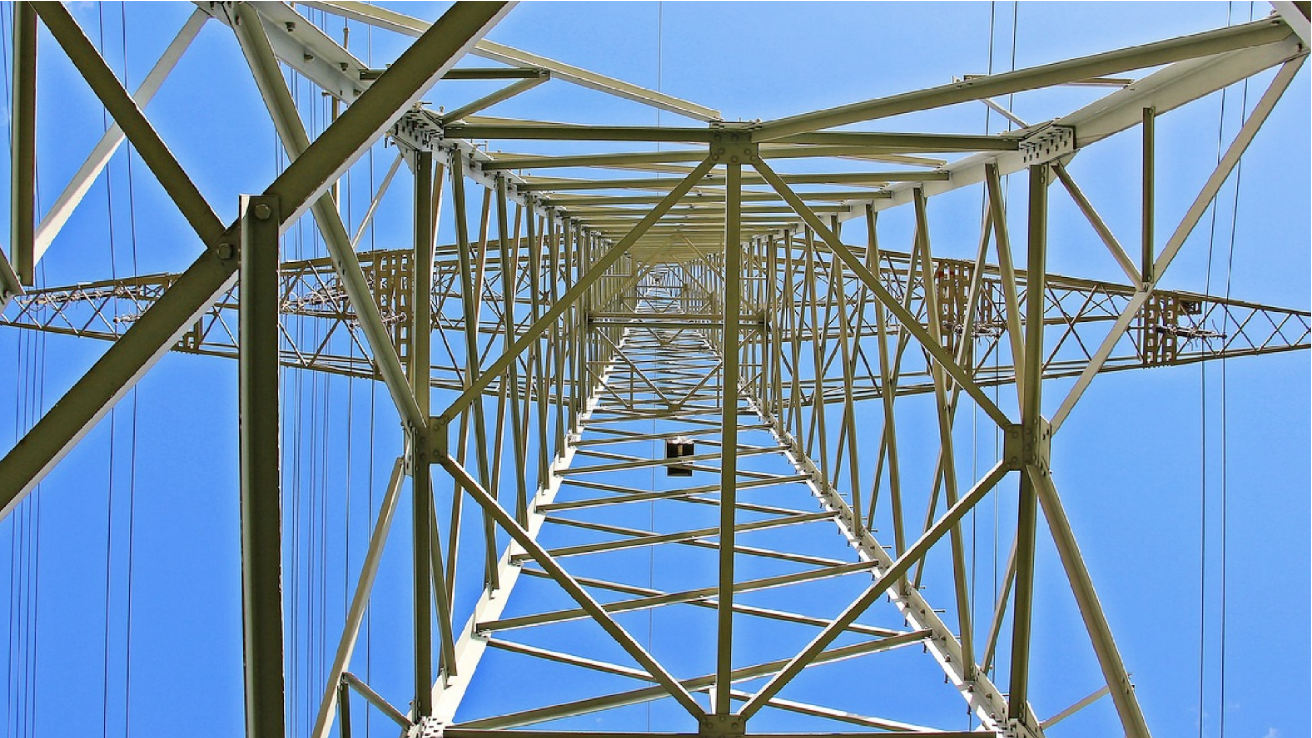
The Latin American and Caribbean Energy Organization (OLACDE), in collaboration with the Spanish Agency for International Development Cooperation (AECID) and Tecnalia Foundation, presents studies on the impact of climate change on regional energy infrastructure. While the region contributes only 8% of global CO2e emissions, its energy sector is highly sensitive to the effects of climate change. The study emphasizes the importance of increasing the resilience of Latin America and the Caribbean’s energy sector to climate change through risk analysis, infrastructure vulnerability assessment, and determination of necessary changes in system planning and operation. The vulnerability and risk of energy infrastructure to various climate variables are analyzed, from temperature changes to extreme events such as storms and strong winds. Results reveal that sensitivity and vulnerability vary by technology type and geographical location. Study conclusions underscore the importance of integrating climate risk assessment into the design and operation of energy facilities. Proposed adaptation measures highlighted include using heat-resistant technologies, managing land use to reduce erosion, and implementing enhanced prediction systems for extreme weather events. Regarding the impact on different technologies, key findings include:
  1. For photovoltaic plants, if the temperature rises by 1ºC above a threshold of 25°C, energy production decreases by 0.66%.
  2. For transmission lines, above a threshold of 20°C, a 1ºC temperature increase reduces transported energy by 0.4%.
  3. In hydroelectric plants, a 1% decrease in flow results in a corresponding 1% drop in energy production.
  4. In natural gas transportation via pipelines, temperature increases can compromise pipe integrity, reduce transmission capacity, and pose safety issues at compression stations not designed for high temperatures.
  5. For agroenergy farms (biofuels), temperature changes could affect raw material productivity and corresponding energy production, depending on the crop type.
Therefore, prioritizing climate resilience in energy policies is crucial. Investments in more robust, flexible infrastructures and diversification of energy sources are essential to reduce dependence on resources vulnerable to climate fluctuations. Given the region’s high dependence on direct sources like hydroenergy, the report stresses the urgency of anticipating and mitigating climate risks to prevent potential energy crises and safeguard regional sustainability and economic stability in the coming decades. Scan the code for access to detailed study information: Department of Communication and Institutional Relations – María Josefa Corral
Share this news

OLACDE presents a study on the impact of climate change on the energy infrastructure of Latin America and the Caribbean

Newsletter summary

In the case of photovoltaic plants, above a threshold of 25°C, if the temperature rises by 1ºC, energy production decreases by 0.66%.

Knowledge and Training

We promote advanced technical training programs that facilitate the exchange of experiences, as well as the development of the human and institutional capacities needed to support the energy transformations in our region.

Our academic offering includes executive programs, postgraduate diplomas, master’s degrees, and innovative initiatives focused on topics such as energy transition, conventional energy, renewable energy, e-mobility, and regional integration.

OLACDE creates a regional network focused on energy knowledge that connects governments, young professionals, academics, and sector experts to drive collaborative solutions through technical cooperation and talent development to address future energy and climate challenges.

Technical cooperation and financing

We strengthen South-South and triangular cooperation ties as drivers to accelerate energy transitions in Latin America and the Caribbean. OLACDE brings together efforts among governments, multilateral organizations, academic institutions, and the private sector to mobilize financing, technical capacities, and innovative solutions tailored to our regional reality.

We promote strategic initiatives aimed at directing resources toward projects focused on decarbonization, conventional energy, renewable energy, and energy justice, with the objective of establishing a more efficient, inclusive, and sustainable regional cooperation architecture.

Regional Energy Community

We are building a regional energy community with a global outlook that seeks to position Latin America and the Caribbean as a key player on the international stage. OLACDE strengthens its representation in major multilateral forums related to energy, trade, and climate by fostering strategic alliances and promoting international cooperation.

Through events such as Energy Week, together with new spaces for international dialogue, we promote a collective voice that helps attract financial investment and create new opportunities for sustainable development across our region.

Energy Transition and Strategic Projects

We drive an energy transition based on principles of sustainability, energy security, and social inclusion. OLACDE supports countries in adopting new technologies related to energy efficiency, energy storage, green hydrogen, electromobility, and grid digitalization to accelerate the sector’s decarbonization process.

Our approach also includes promoting strategic projects that strengthen energy resilience at the regional level, contributing to emission reductions while consolidating a cleaner and more competitive energy infrastructure. Initiatives such as OEMLAC position our region as a leading reference in climate innovation and sustainable energy transition.

Energy information and data

We develop regional platforms dedicated to energy information, technical analysis, and strategic data systems that strengthen both public and private decision-making in the sector. OLACDE promotes the digital transformation of the sector through the use of artificial intelligence, georeferencing, and advanced tools for regional energy analysis.

The integration of systems such as SieLAC, together with new regional platforms, allows for the consolidation of reliable and up-to-date technical information, facilitating modern, interoperable, and evidence-based energy planning.

Regional Energy Integration

We promote cooperation in the regional energy sector, focused on collaboration, infrastructure development, and regulatory harmonization, with the objective of strengthening energy security in Latin America and the Caribbean. OLACDE coordinates projects related to electrical interconnection, gas integration, and regional energy planning, seeking to create efficient and sustainable partnerships.

Through cooperation with the governments of our 27 member countries, regional blocs, multilateral institutions, and both public and private stakeholders, we drive strategic initiatives that promote regulatory harmonization and new energy exchange mechanisms, in order to enhance national capacities and accelerate an integrated energy transition at the regional level.

This site is registered on wpml.org as a development site. Switch to a production site key to remove this banner.