By 2030: Energy Efficiency Measures can save up to 30GW of electricity in LAC, equivalent to the consumption of 30 million households for one year.

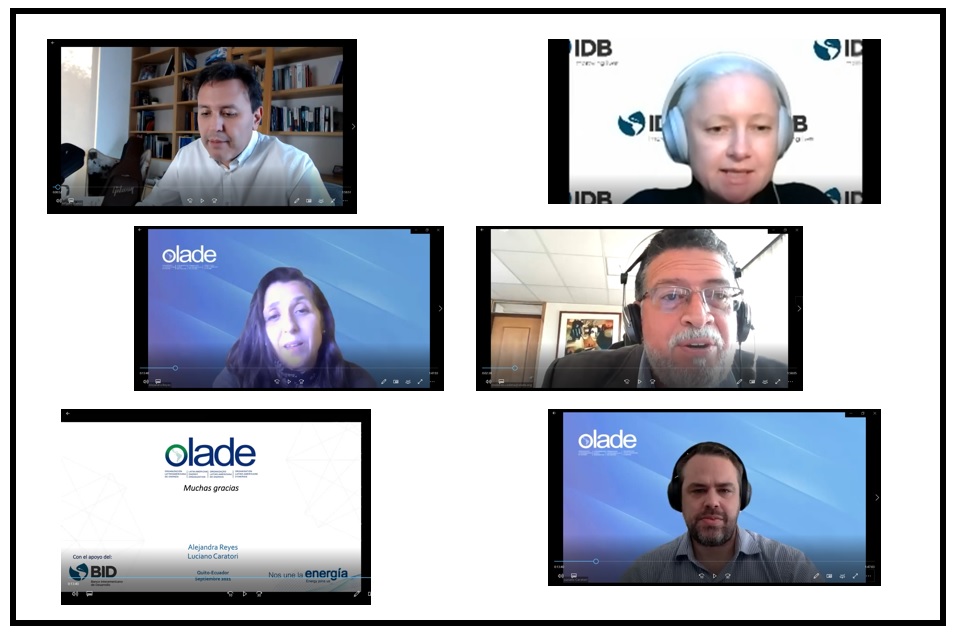
The Latin American and Caribbean Energy Organization (OLACDE) and Ecuador’s Ministry of Energy and Mines organized the event “Energy Efficiency: A Cross-Cutting Pillar of the Transition” at OLACDE’s headquarters in Quito. The meeting brought together industry leaders to analyze progress and challenges in implementing energy efficiency policies in the region.

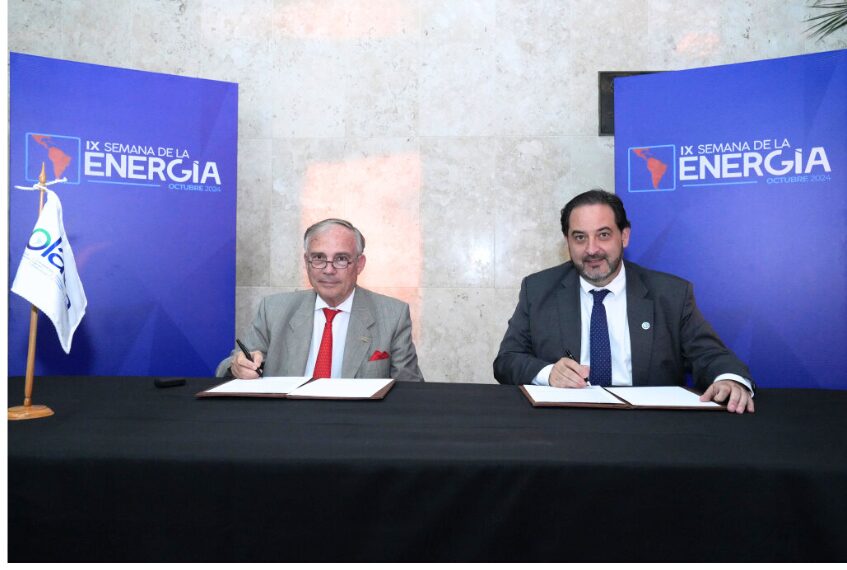
Energy efficiency is key to achieving UN Sustainable Development Goal 7, which aims to ensure access to affordable, reliable, and sustainable energy. During the LIV Meeting of Energy Ministers of OLACDE in October 2024, 22 member countries reaffirmed their commitment to improving efficiency by 1.3% annually until 2030, which could save up to 30GW of electricity in Latin America and the Caribbean—equivalent to the annual consumption of 20 million households.

The event featured the participation of OLACDE’s Executive Secretary, Andrés Rebolledo, and Ecuador’s Deputy Minister of Electricity, Fabián Calero, along with ambassadors from member countries, representatives of international organizations, the business sector, and academia.

During the meeting, Rebolledo presented an analysis of energy consumption in Latin America and the Caribbean: 5% in the commercial and public sector, 20% in residential, 30% in industrial, and 40% in transportation. “Real change in efficiency will happen in the transportation sector, but only with stable state policies and public-private cooperation can we transform the energy matrix,” he stated.

Meanwhile, Calero emphasized that energy efficiency is a commitment to sustainable development, crucial for reducing environmental impact and optimizing production costs. He also highlighted the importance of strengthening regulatory and institutional frameworks and promoting rational energy use across all sectors.

The event included an expert panel with representatives from Chile, Brazil, Denmark, Uruguay, and Ecuador, discussing energy regulations, public policies, and the implementation of ISO 50001 for energy management. The discussion also covered clean cooking, a key initiative in reducing greenhouse gas emissions.

Gabriela Prata Dias, Director of the Copenhagen Centre on Energy Efficiency (UNEP), stressed the need for strong regulations and sectoral strategies. “The market alone is not enough; we need policies that drive innovation and allow us to review our national contributions under the Paris Agreement,” she stated.

Esteban Israel Flores, from PRONACA Ecuador, pointed out that efficient resource management is the most cost-effective strategy, followed by investment in innovation and technology. “Success depends on training, monitoring, and a solid methodological approach,” he said.

From Brazil, Rogerio Miranda, from Ecofogão, urged the modernization of cooking in Latin America. “If phones and cars evolve, why not stoves? It’s time to invest in cleaner technologies,” he stated. “We need technologies that transform firewood usage and reduce pollution.” This vision underscores the need for public policies that promote efficiency and innovation in the domestic sector.

Gustavo Lagos Aguilera, from Heavenward Elevators Chile, explained the potential of regenerative elevators to return energy to the system. “Turning an expense into generation is key to reducing costs,” he affirmed.

Sebastián Wainberg, from Uruguay’s Ministry of Industry, Energy, and Mining, highlighted the residential sector’s role in the transition. “Individual incentives are limited; we need communication policies and incentives to transform consumption,” he said.

Watch the full event at the following link: https://www.youtube.com/watch?v=Xw62qgfF3-0
Comparte esta noticia

By 2030: Energy Efficiency Measures can save up to 30GW of electricity in LAC, equivalent to the consumption of 30 million households for one year.

Resumen del boletín

The Latin American and Caribbean Energy Organization (OLACDE) and Ecuador’s Ministry of Energy and Mines organized the event “Energy Efficiency: A Cross-Cutting Pillar of the Transition” at OLACDE’s headquarters in Quito. The meeting brought together industry leaders to analyze progress and challenges in implementing energy efficiency policies in the region. Energy efficiency is key to […]

Conocimiento y capacitación

Fomentamos programas formativos técnicos avanzados que facilitan el intercambio de experiencias, así como el desarrollo de capacidades humanas e institucionales necesarias para respaldar las transformaciones energéticas en nuestra región.

Nuestra oferta académica incluye programas ejecutivos, diplomados, maestrías e iniciativas innovadoras centradas en temas como transición energética, energías convencionales, energías renovables, electromovilidad e integración regional.

OLACDE crea una red regional enfocada en el conocimiento energético que conecta a gobiernos, jóvenes profesionales, académicos y expertos del sector para impulsar soluciones colaborativas mediante la cooperación técnica y la formación de talento para enfrentar los desafíos energéticos y climáticos futuros.

Cooperación técnica y financiamiento

Fortalecemos los vínculos de cooperación Sur-Sur y triangular como impulsores para acelerar las transiciones energéticas en América Latina y el Caribe. OLACDE integra esfuerzos entre gobiernos, organismos multilaterales, instituciones académicas y el sector privado para movilizar financiamiento, capacidades técnicas y soluciones innovadoras adaptadas a nuestra realidad regional.

Promovemos iniciativas estratégicas dirigidas a orientar recursos hacia proyectos enfocados en descarbonización, energías convencionales, energías renovables y justicia energética, con el objetivo de establecer una arquitectura de cooperación más eficiente, inclusiva y sostenible a nivel regional.

Comunidad energética regional

Establecemos una comunidad energética regional con proyección global que busca situar a América Latina y el Caribe como un actor relevante dentro del contexto internacional. OLACDE refuerza su representación ante los principales foros multilaterales relacionados con energía, comercio y clima al fomentar alianzas estratégicas e impulsar la colaboración internacional. 

A través de eventos como la Semana de la Energía, junto con nuevos espacios para el diálogo internacional, promovemos una voz colectiva que permita atraer inversiones financieras, así como nuevas oportunidades para un desarrollo sostenible dentro de nuestra región.

Transición energética y proyectos estratégicos

Impulsamos una transición energética sustentada por principios de sostenibilidad, seguridad energética e inclusión social. OLACDE apoya a los países en la adopción de nuevas tecnologías relacionadas con eficiencia energética, almacenamiento de energía, hidrógeno verde, electromovilidad y digitalización de redes para acelerar el proceso de descarbonización del sector.

Nuestro enfoque también incluye promover proyectos estratégicos que fortalezcan la resiliencia energética a nivel regional, lo que contribuye a reducir emisiones mientras se consolida una infraestructura energética más limpia y competitiva. Iniciativas tales como OEMLAC posicionan a nuestra región como un referente destacado en innovación climática y transición energética sostenible.

Información y datos energéticos

Desarrollamos plataformas regionales dedicadas a la información sobre energía, análisis técnico y sistemas de datos estratégicos que refuerzan la toma de decisiones tanto públicas como privadas en el sector. OLACDE promueve la transformación digital del sector mediante el uso de inteligencia artificial, georreferenciación y herramientas avanzadas para el análisis energético regional.


La integración de sistemas como SieLAC, junto con nuevas plataformas regionales, permite consolidar información técnica confiable y actualizada, facilitando una planificación energética moderna, interoperable y basada en evidencia.

Integración energética regional

Fomentamos la cooperación en el ámbito energético regional, centrada en la colaboración, el desarrollo de infraestructuras y la armonización regulatoria, con el objetivo de reforzar la seguridad energética en América Latina y el Caribe. OLACDE coordina proyectos relacionados con la interconexión eléctrica, la integración del gas y la planificación energética regional, buscando crear alianzas eficientes y sostenibles. 


Mediante la cooperación con los gobiernos de nuestros 27 países miembros, bloques regionales, instituciones multilaterales y actores tanto públicos como privados, impulsamos iniciativas estratégicas que promueven la armonización normativa y nuevos mecanismos de intercambio energético, con el fin de potenciar las capacidades nacionales y acelerar una transición energética integrada a nivel regional.

This site is registered on wpml.org as a development site. Switch to a production site key to remove this banner.