CAF and OLACDE sign agreement to promote energy integration in South America

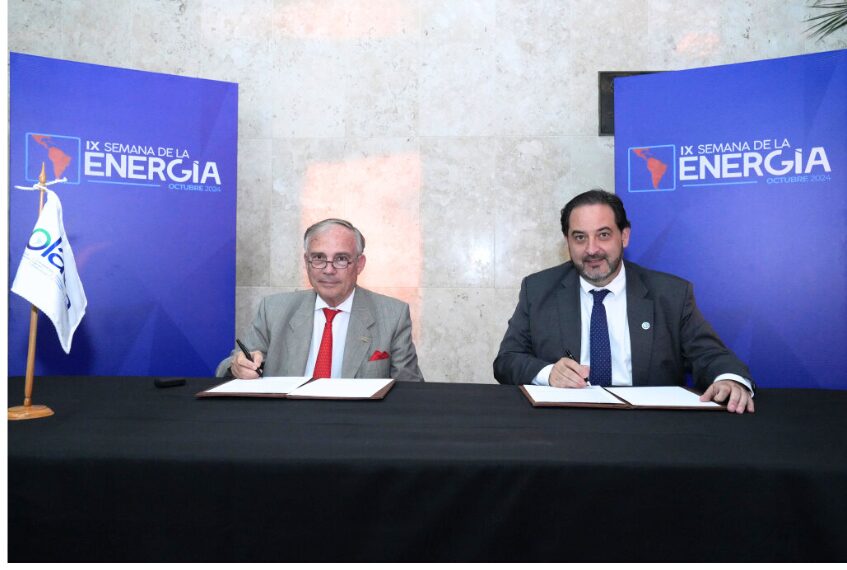
The development bank of Latin America and the Caribbean (CAF) and The Latin American and Caribbean Energy Organization (OLACDE) are pleased to announce the signing of a Technical Cooperation Agreement to promote energy integration in MERCOSUR countries, Bolivia, and Chile. This agreement, which consolidates the collaboration between both institutions, aims to contribute to a fair energy transition by leveraging gas resources through the optimization and expansion of natural gas transportation infrastructure.

Current and future challenges in the region
In recent decades, the energy landscape has evolved with the incorporation of new sources of supply and liquefied natural gas (LNG) regasification technology in Chile, Argentina, and Brazil. The development of unconventional deposits, such as the Vaca Muerta formation in Argentina, and the advancement of hydrocarbon resources in Brazil’s deep waters, have opened new opportunities and challenges in the energy sector. Additionally, since the 2000s, the global development of the LNG market has driven the installation of regasification plants in Chile, Argentina, and Brazil to ensure a constant energy supply.

“Regional energy integration is a fundamental pillar for the sustainable development of Latin America. This partnership with OLACDE allows us to join efforts to create a stronger and more efficient energy network that benefits all the countries involved,” said Antonio Silveira, CAF’s Manager of Physical Infrastructure and Digital Transformation.

For his part, the Executive Secretary of The Latin American and Caribbean Energy Organization (OLACDE) stated, “At OLACDE, we are proud to formalize this cooperation agreement with CAF. This strategic alliance marks a milestone in our commitment to promoting energy integration in MERCOSUR countries, Bolivia, and Chile. This agreement not only strengthens our inter-institutional collaboration but also underscores our shared vision of moving towards a fair and sustainable energy transition.”

The regional gas integration project driven by CAF and OLACDE will seek to create a regional gas balance that optimizes the use of existing and projected infrastructure. Additionally, work will be done on regulatory convergence scenarios that allow for strategic planning tailored to each country’s energy and economic needs, overcoming historical barriers and advancing toward more equitable and inclusive integration, enabling all countries in the region to benefit from an efficient and secure energy network.

The work will be divided into 5 phases, each culminating in an in-person validation and consensus session with relevant stakeholders: (i) review and consolidation of available studies, (ii) projection of supply and demand, (iii) optimization of existing infrastructure, (iv) optimization with new infrastructures, and (v) preparation of project profiles.

“This agreement marks a milestone in our commitment to a fair and inclusive energy transition. Natural gas will play a crucial role as a transition energy, allowing us to reduce emissions while ensuring reliable and affordable energy access for all,” said Jorge Srur, CAF’s Regional Manager for the South.

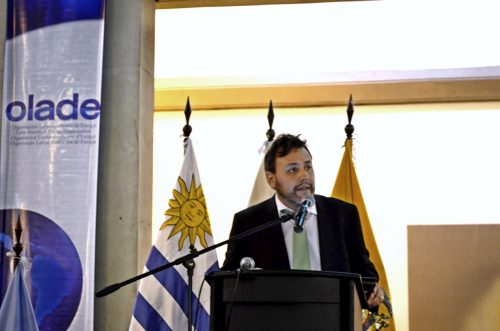
The signing of the agreement took place in Asunción, Paraguay, as part of the IX Energy Week, an event that brings together the main regional energy actors to discuss challenges and opportunities in the sector’s transformation.
 

Comparte esta noticia

CAF and OLACDE sign agreement to promote energy integration in South America

Resumen del boletín

The initiative seeks to optimize the use of existing and projected gas infrastructure in MERCOSUR countries, Bolivia, and Chile, contributing to a fair energy transition in the region.

Conocimiento y capacitación

Fomentamos programas formativos técnicos avanzados que facilitan el intercambio de experiencias, así como el desarrollo de capacidades humanas e institucionales necesarias para respaldar las transformaciones energéticas en nuestra región.

Nuestra oferta académica incluye programas ejecutivos, diplomados, maestrías e iniciativas innovadoras centradas en temas como transición energética, energías convencionales, energías renovables, electromovilidad e integración regional.

OLACDE crea una red regional enfocada en el conocimiento energético que conecta a gobiernos, jóvenes profesionales, académicos y expertos del sector para impulsar soluciones colaborativas mediante la cooperación técnica y la formación de talento para enfrentar los desafíos energéticos y climáticos futuros.

Cooperación técnica y financiamiento

Fortalecemos los vínculos de cooperación Sur-Sur y triangular como impulsores para acelerar las transiciones energéticas en América Latina y el Caribe. OLACDE integra esfuerzos entre gobiernos, organismos multilaterales, instituciones académicas y el sector privado para movilizar financiamiento, capacidades técnicas y soluciones innovadoras adaptadas a nuestra realidad regional.

Promovemos iniciativas estratégicas dirigidas a orientar recursos hacia proyectos enfocados en descarbonización, energías convencionales, energías renovables y justicia energética, con el objetivo de establecer una arquitectura de cooperación más eficiente, inclusiva y sostenible a nivel regional.

Comunidad energética regional

Establecemos una comunidad energética regional con proyección global que busca situar a América Latina y el Caribe como un actor relevante dentro del contexto internacional. OLACDE refuerza su representación ante los principales foros multilaterales relacionados con energía, comercio y clima al fomentar alianzas estratégicas e impulsar la colaboración internacional. 

A través de eventos como la Semana de la Energía, junto con nuevos espacios para el diálogo internacional, promovemos una voz colectiva que permita atraer inversiones financieras, así como nuevas oportunidades para un desarrollo sostenible dentro de nuestra región.

Transición energética y proyectos estratégicos

Impulsamos una transición energética sustentada por principios de sostenibilidad, seguridad energética e inclusión social. OLACDE apoya a los países en la adopción de nuevas tecnologías relacionadas con eficiencia energética, almacenamiento de energía, hidrógeno verde, electromovilidad y digitalización de redes para acelerar el proceso de descarbonización del sector.

Nuestro enfoque también incluye promover proyectos estratégicos que fortalezcan la resiliencia energética a nivel regional, lo que contribuye a reducir emisiones mientras se consolida una infraestructura energética más limpia y competitiva. Iniciativas tales como OEMLAC posicionan a nuestra región como un referente destacado en innovación climática y transición energética sostenible.

Información y datos energéticos

Desarrollamos plataformas regionales dedicadas a la información sobre energía, análisis técnico y sistemas de datos estratégicos que refuerzan la toma de decisiones tanto públicas como privadas en el sector. OLACDE promueve la transformación digital del sector mediante el uso de inteligencia artificial, georreferenciación y herramientas avanzadas para el análisis energético regional.


La integración de sistemas como SieLAC, junto con nuevas plataformas regionales, permite consolidar información técnica confiable y actualizada, facilitando una planificación energética moderna, interoperable y basada en evidencia.

Integración energética regional

Fomentamos la cooperación en el ámbito energético regional, centrada en la colaboración, el desarrollo de infraestructuras y la armonización regulatoria, con el objetivo de reforzar la seguridad energética en América Latina y el Caribe. OLACDE coordina proyectos relacionados con la interconexión eléctrica, la integración del gas y la planificación energética regional, buscando crear alianzas eficientes y sostenibles. 


Mediante la cooperación con los gobiernos de nuestros 27 países miembros, bloques regionales, instituciones multilaterales y actores tanto públicos como privados, impulsamos iniciativas estratégicas que promueven la armonización normativa y nuevos mecanismos de intercambio energético, con el fin de potenciar las capacidades nacionales y acelerar una transición energética integrada a nivel regional.

This site is registered on wpml.org as a development site. Switch to a production site key to remove this banner.